Perimeter Universe | How physicists use AI, Black Hole Collisions, and more
Feed your curiosity: Perimeter Institute's Monthly Newsletter brings the latest theoretical physics insights to your inbox.
Feed your curiosity: Perimeter Institute's Monthly Newsletter brings the latest theoretical physics insights to your inbox.
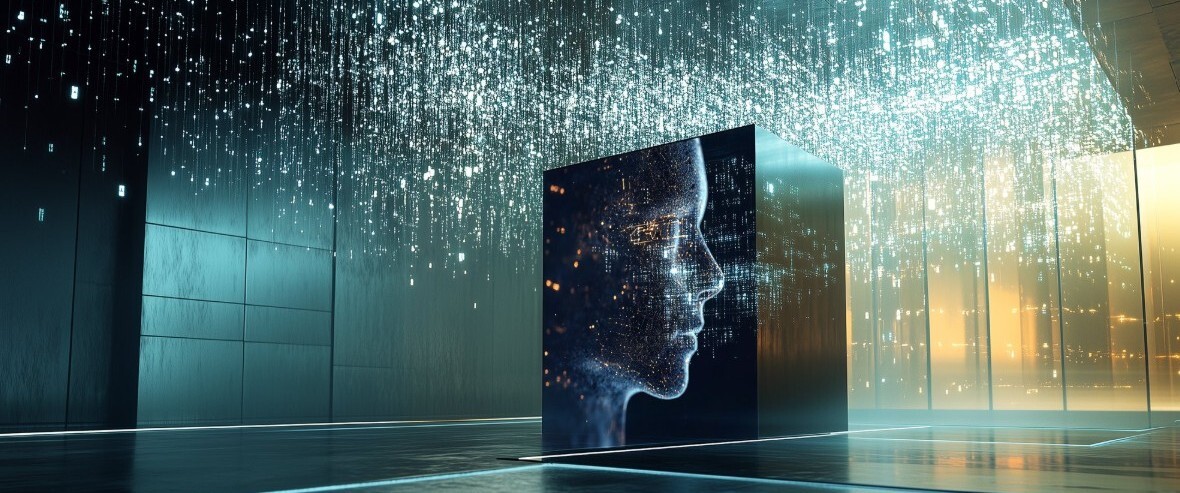
How physicists use artificial intelligence (and how they don't)
Will artificial intelligence (AI) revolutionize physics, or is it hype? Here are the experts actually using it, and how they see AI shaping the future of their fields.
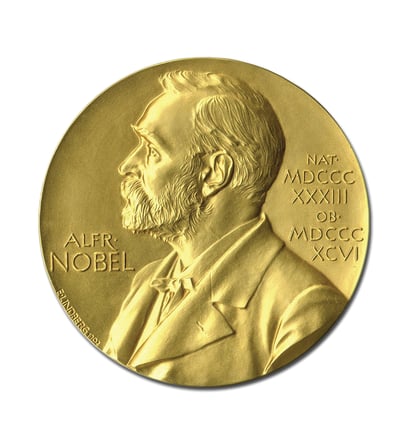
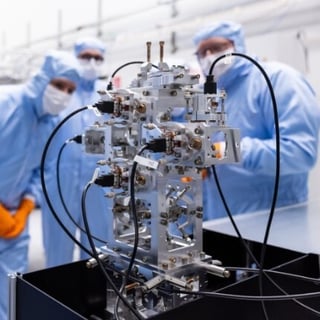
John Clarke, Michel Devoret, and John Martinis have been awarded the Nobel Prize in Physics for discoveries made in the mid-1980s that paved the way for modern technologies such as quantum computers.
Quantum computing and AI join forces for particle physics
Explore how quantum computing and artificial intelligence can be combined to help physicists search for rare interactions in data from an upgraded Large Hadron Collider.
100 Years of Quantum: Perspectives on its Past, Present, and Future
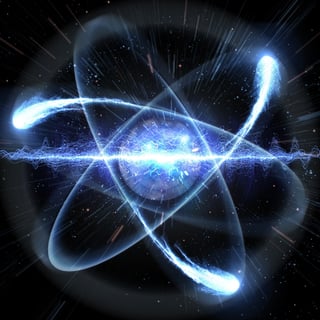
In July 1925, on the island of Helgoland, Werner Heisenberg made a breakthrough that ultimately led to modern quantum theory. 100 years later, physicists are still grappling with what it means.
100 years after Einstein predicted gravitational waves, scientists detected them. Now, as more advanced gravitational wave detectors are being developed, the future workforce that will interpret these mysterious spacetime ripples is gearing up.
Perimeter Institute: A quarter-century retrospective — Chapter Four
In 2025, Perimeter Institute is starting a new chapter. What will the next 25 years of exploration look like? Perimeter Institute's leaders share their vision.




No comments:
Post a Comment